Geo-Fencing Advertising Explained: How It Works for Small Businesses
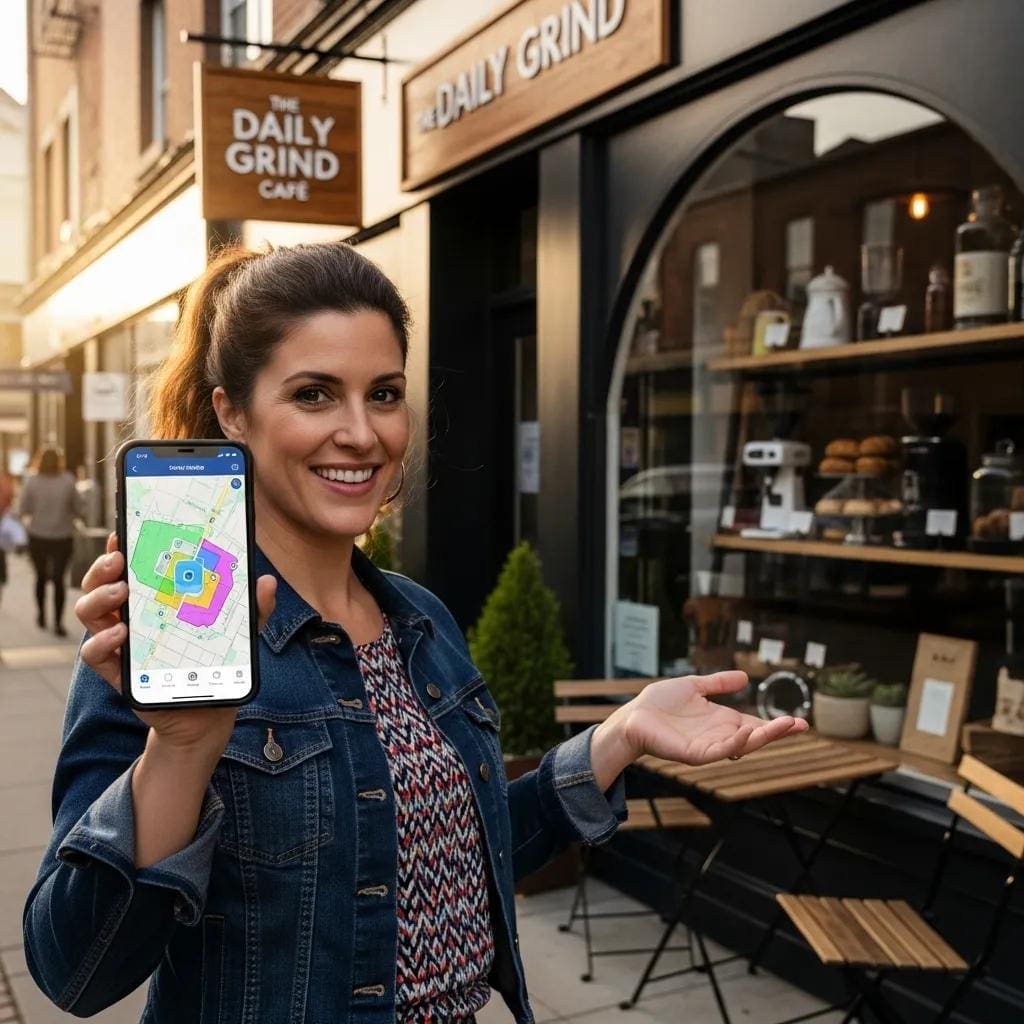
Geo-fencing advertising is a cutting-edge marketing strategy that leverages location-based technology to target potential customers within a specific geographic area. By utilizing GPS or RFID technology, businesses can create virtual boundaries, or “fences,” around physical locations. When a consumer enters this designated area, they receive targeted advertisements or notifications on their mobile devices. This approach not only enhances customer engagement but also drives foot traffic to local businesses. In this article, we will explore the mechanics of geo-fencing advertising, its benefits for small businesses, and how to effectively implement it in your marketing strategy.
Indeed, geo-fencing is increasingly recognized as a pivotal tool for improving the customer journey and boosting physical store visits.
Geo-Fencing for Enhanced Customer Experience & Store Visits
In today’s retail world, which is getting more and more digital and relies a lot on data, tech that useslocation—geofencingis becoming a game-changer for making shopping better, and a transformative tool for enhancing customer experience. This chapter explores the role of geo-fencing in personalizing retail interactions by bringing real-time, location-sensitive marketing communications. Sketching upon the Stimulus-Organism-Response (S-O-R) theoretical framework, this chapter conceptualizes geo-fencing as a technological stimulus that triggers emotional and cognitive responses in consumers, leading to positive and real-timebehavioral outcomes such as increased store visits, engagement, and loyalty.
Enhancing Customer Experience in Retail: How Geo-Fencing Technology Personalizes Shopping Journeys, MJ Jose, 2026
What Is Geo-Fencing Advertising and How Does Location-Based Marketing Work?
Geo-fencing advertising is a form of location-based marketing that allows businesses to send targeted messages to consumers based on their geographical location. This technology works by setting up virtual boundaries around specific areas, such as a store or a competitor’s location. When a consumer enters this area, their mobile device can receive notifications or advertisements tailored to their preferences. The effectiveness of geo-fencing lies in its ability to deliver real-time, relevant content to consumers, enhancing the likelihood of engagement and conversion.
How Does Mobile Location Targeting Enable Geo-Fencing Campaigns?
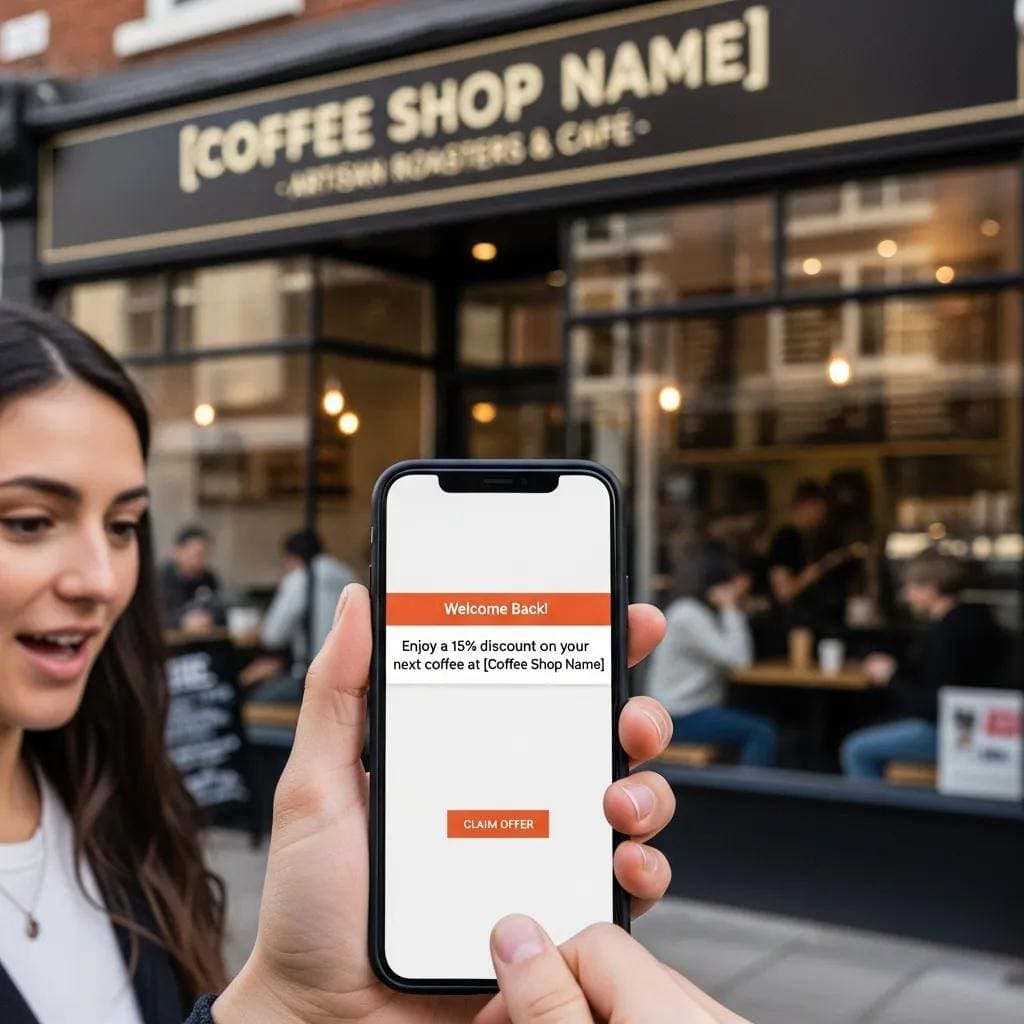
Mobile location targeting is a crucial component of geo-fencing campaigns. It utilizes the GPS capabilities of smartphones to determine a user’s location accurately. This technology enables businesses to send timely notifications, promotions, or advertisements to potential customers as they enter a predefined area. For instance, a coffee shop can send a discount offer to users who are nearby, encouraging them to visit. This real-time interaction significantly boosts customer engagement and increases the chances of conversion.
What Are the Key Benefits of Geo-Fencing Advertising for Small Businesses?

Geo-fencing advertising offers several advantages for small businesses looking to enhance their marketing efforts. The key benefits include:
- Increased Leads and Conversions: By targeting consumers in real-time, businesses can significantly increase their chances of converting leads into customers.
- Improved Customer Retention: Personalized offers and notifications can enhance customer loyalty, encouraging repeat visits.
- Enhanced User Engagement: Engaging customers with relevant content at the right time fosters a stronger connection between the business and its audience.
For small businesses seeking to maximize their marketing impact, geo-fencing advertising presents a powerful tool to reach and engage local customers effectively.
How Does Geo-Targeted Marketing Increase Local Customer Engagement?
Geo-targeted marketing enhances local customer engagement by delivering timely and relevant messages to consumers based on their location. This approach allows businesses to connect with potential customers when they are most likely to make a purchase. For example, a retail store can send a special offer to customers who are within a certain radius, prompting them to visit the store. By utilizing behavior tracking and real-time location targeting, businesses can create personalized experiences that resonate with their audience, ultimately driving higher engagement rates.
Why Is Geo-Fencing a Cost-Effective Digital Marketing Strategy?
Geo-fencing is considered a cost-effective digital marketing strategy for several reasons. First, it allows businesses to focus their advertising efforts on a specific audience, reducing wasted ad spend on irrelevant demographics. Second, the higher engagement rates associated with geo-fencing campaigns often lead to better return on investment (ROI). By targeting consumers who are already in proximity to the business, companies can maximize their marketing budget and achieve more significant results.
How Can Small Businesses Set Up Effective Geo-Fencing Campaigns?
Setting up effective geo-fencing campaigns involves several key steps:
- Understanding Geofencing Technology: Familiarize yourself with the technology and tools available for creating geo-fences.
- Defining Target Areas: Identify the geographic locations that are most relevant to your business and customer base.
- Creating Tailored Ads: Develop advertisements that resonate with your target audience, ensuring they are relevant to the location and context.
By following these steps, small businesses can create impactful geo-fencing campaigns that drive customer engagement and sales.
What Are the Step-by-Step Processes for Geo-Fencing Campaign Setup?
To set up a geo-fencing campaign, follow these steps:
- Choose a Geo-Fencing Platform: Select a platform that offers geo-fencing capabilities and integrates with your existing marketing tools.
- Define Your Geofences: Use the platform to create virtual boundaries around your target locations.
- Design Your Campaign: Create engaging advertisements that will be sent to users when they enter the geo-fenced area.
- Launch and Monitor: Activate your campaign and monitor its performance, making adjustments as necessary to optimize results.
By adhering to this structured approach, businesses can effectively implement geo-fencing advertising strategies.
Which Platforms and Technologies Support Geo-Fencing Advertising?
Several platforms and technologies support geo-fencing advertising, including:
- GPS Technology: Essential for accurately determining user locations.
- Mobile Applications: Many apps incorporate geo-fencing capabilities to enhance user engagement.
- Data Analytics Platforms: These tools help businesses analyze the effectiveness of their geo-fencing campaigns and make data-driven decisions.
Utilizing these technologies allows businesses to create more effective and targeted advertising strategies.
How Do Small Businesses Measure the ROI and Effectiveness of Geo-Fencing Ads?
Measuring the ROI and effectiveness of geo-fencing ads involves tracking various metrics, including:
- Foot Traffic: Analyzing the increase in customers visiting the store after receiving geo-fenced ads.
- Customer Engagement Rates: Monitoring how often users interact with the ads sent to them.
- Conversion Rates: Evaluating the percentage of users who make a purchase after receiving a geo-fenced notification.
By focusing on these metrics, small businesses can assess the success of their geo-fencing campaigns and make informed adjustments.
What Metrics and KPIs Are Used to Track Geo-Fencing Campaign Success?
To track the success of geo-fencing campaigns, businesses should consider the following key performance indicators (KPIs):
- Foot Traffic Increases: Measure the number of customers visiting the store after receiving geo-fenced ads.
- Engagement Rates: Track how many users interact with the notifications or advertisements.
- Conversion Statistics: Analyze the percentage of users who make a purchase after receiving a geo-fenced offer.
These metrics provide valuable insights into the effectiveness of geo-fencing advertising strategies.
How Can Businesses Integrate Geo-Fencing with Other Digital Marketing Channels?
Integrating geo-fencing with other digital marketing channels can enhance overall marketing effectiveness. Businesses can combine geo-fencing with:
- Social Media: Promote geo-fenced offers through social media platforms to reach a broader audience.
- Email Marketing: Send targeted emails to customers who have opted in, reinforcing geo-fenced promotions.
- SEO Strategies: Optimize local search efforts to complement geo-fencing campaigns, ensuring that customers can find the business easily.
This multi-channel approach allows businesses to create a cohesive marketing strategy that maximizes reach and engagement.
What Are Some Case Studies and Success Stories of Geo-Fencing in Mid-Michigan?
Several businesses in Mid-Michigan have successfully implemented geo-fencing advertising, leading to increased customer engagement and sales. For example, a local restaurant used geo-fencing to send special offers to customers within a one-mile radius, resulting in a notable increase in foot traffic during promotional periods. These success stories highlight the potential of geo-fencing to drive business growth in local markets.
How Have Mid-Michigan Small Businesses Benefited from Geo-Fencing Advertising?
Mid-Michigan small businesses have experienced numerous benefits from geo-fencing advertising, including:
- Increased Leads and Conversions: Many businesses report higher conversion rates due to targeted advertising.
- Improved Customer Retention: Personalized offers have led to enhanced customer loyalty and repeat visits.
- Enhanced User Engagement: Businesses have successfully engaged customers with timely and relevant notifications.
These benefits demonstrate the effectiveness of geo-fencing as a marketing strategy for small businesses in the region.
What Lessons Can Be Learned from Recent Geo-Fencing Campaigns?
Recent geo-fencing campaigns have provided valuable insights for businesses looking to implement this strategy. Key lessons include:
- The Importance of Timing: Sending notifications at the right time can significantly impact engagement rates.
- Personalization Matters: Tailoring messages to the audience’s preferences enhances the likelihood of conversion.
- Continuous Monitoring: Regularly analyzing campaign performance allows businesses to make necessary adjustments for optimal results.
By learning from these campaigns, businesses can refine their geo-fencing strategies for better outcomes.
What Are Common Questions About Geo-Fencing Advertising for Small Businesses?
Many small business owners have questions about geo-fencing advertising, including:
- Does geo-fencing work?: Yes, geo-fencing has proven effective in increasing customer engagement and driving sales.
- How to do geo-fencing marketing?: Businesses can set up geo-fencing campaigns through various platforms that offer location-based marketing tools.
- How much does geo-fencing cost?: Costs can vary based on the platform and campaign scale, but many businesses find it to be a cost-effective strategy.
These common inquiries reflect the growing interest in geo-fencing as a viable marketing solution.
How Much Does Geo-Fencing Advertising Cost for Small Businesses?
The cost of geo-fencing advertising can vary widely based on several factors, including the chosen platform, the size of the target area, and the duration of the campaign. Generally, businesses can expect to invest in the following:
- Platform Fees: Many geo-fencing platforms charge monthly fees or pay-per-click rates.
- Ad Creation Costs: Developing engaging advertisements may require additional resources.
- Budget for Promotions: Allocating a budget for promotional offers can enhance campaign effectiveness.
By understanding these cost factors, small businesses can better plan their geo-fencing advertising budgets.
How Does Geo-Fencing Comply with Privacy Regulations?
Geo-fencing advertising must comply with various privacy regulations, including GDPR and CCPA. Key compliance considerations include:
- User Consent: Businesses must obtain explicit consent from users before collecting location data.
- Transparency in Data Practices: Clearly communicating how user data will be used is essential for building trust.
- Data Security: Implementing robust security measures to protect user information is critical for compliance.
By adhering to these regulations, businesses can effectively utilize geo-fencing advertising while respecting consumer privacy.