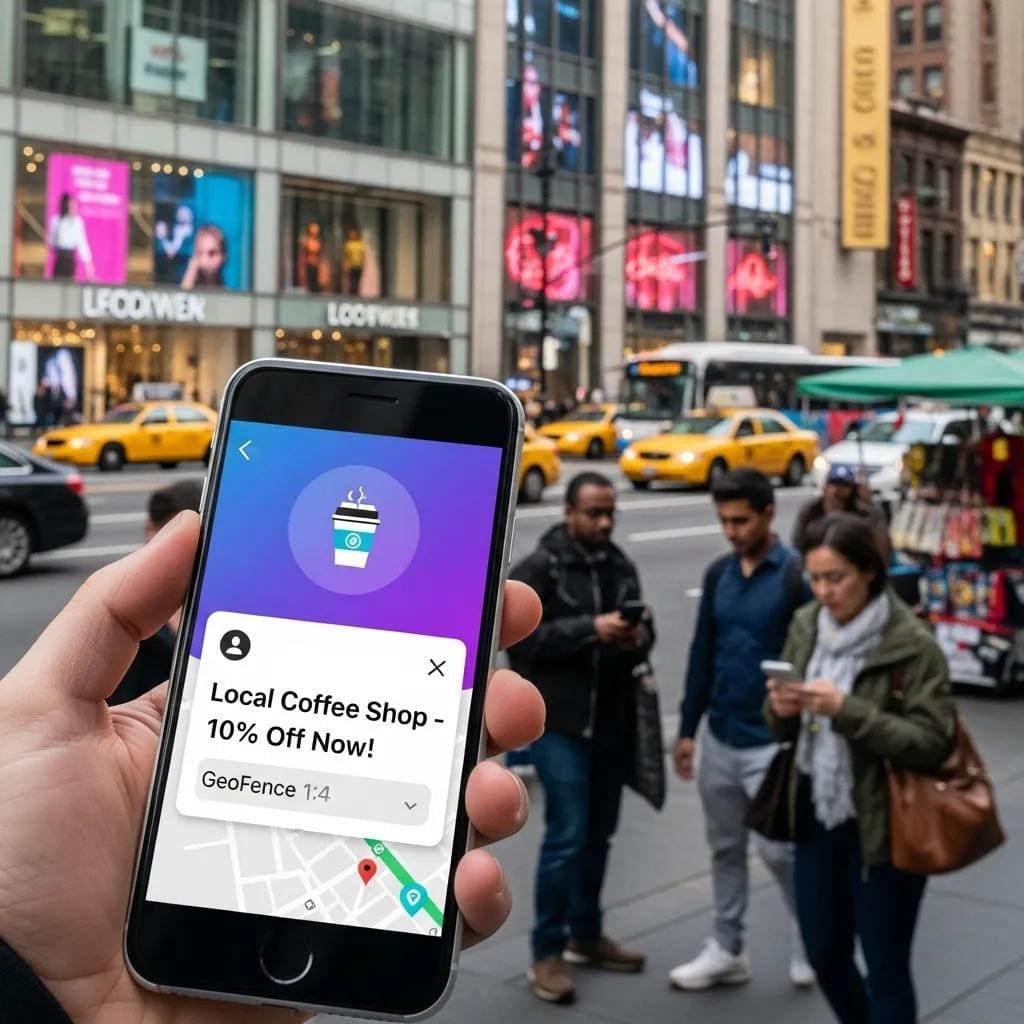
What Is Geofence Advertising? A Guide for Michigan Businesses
Geofence advertising is a cutting-edge marketing strategy that leverages location-based technology to deliver targeted advertisements to consumers within a specific geographic area. This approach allows businesses to engage potential customers in real-time, enhancing the relevance of their marketing efforts. In this guide, we will explore the mechanics of geofence advertising, its benefits for local Michigan businesses, and how it can significantly improve customer engagement. Many businesses struggle to reach their target audience effectively, but geofence advertising offers a solution by utilizing GPS and mobile technology to connect with consumers at the right place and time. We will cover how geofence advertising works, its key benefits, expected ROI, and best practices for implementation.
How Does Geofence Advertising Work for Local Michigan Businesses?
Geofence advertising operates by creating virtual boundaries around specific locations using GPS or RFID technology. When a consumer enters this defined area, their mobile device can receive targeted advertisements or notifications. This real-time targeting allows businesses to engage customers when they are most likely to make a purchase, such as when they are near a store or event. By utilizing geofencing, local Michigan businesses can enhance their marketing strategies and drive foot traffic to their locations.
For instance, a local restaurant could send a special offer to customers who enter a geofenced area around their establishment, encouraging them to dine in. This method not only increases visibility but also fosters a sense of urgency, prompting immediate action from potential customers.
What Is Location-Based Targeting in Geofence Marketing?
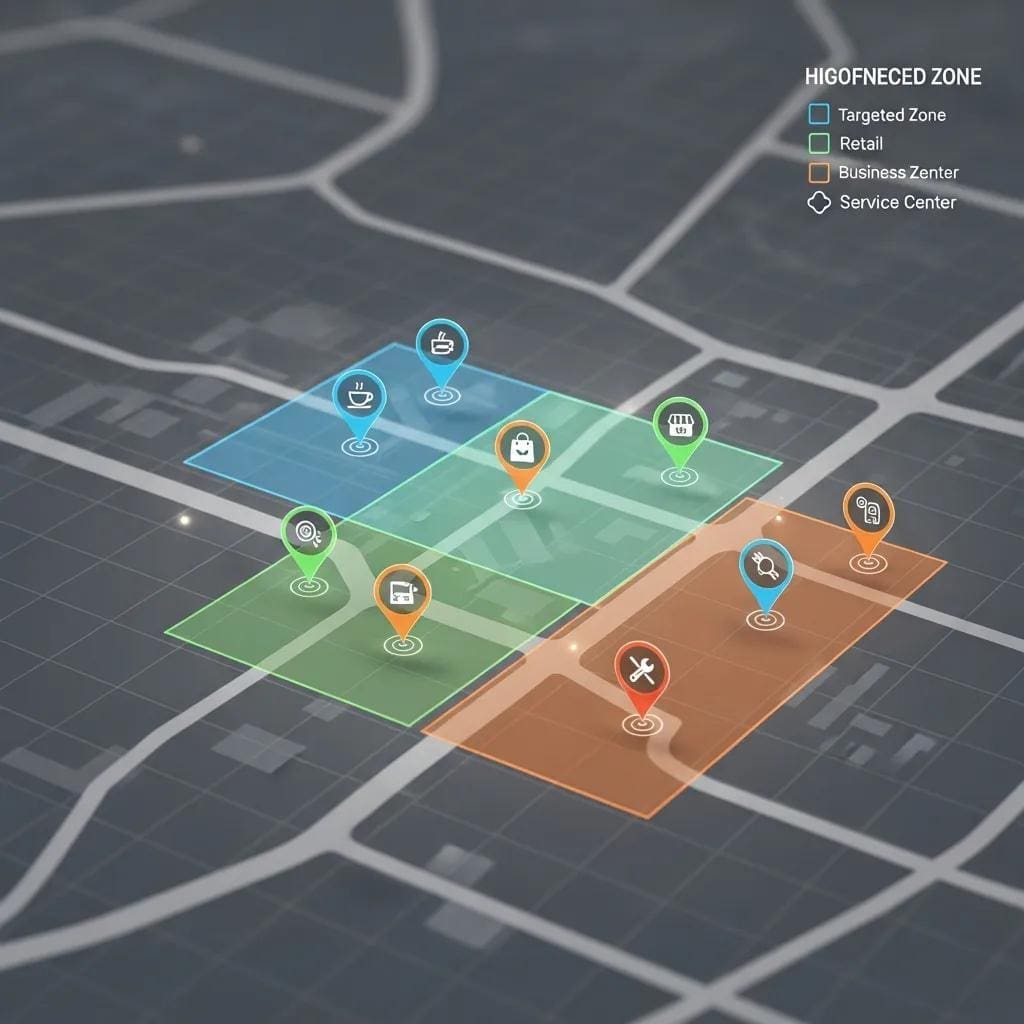
Location-based targeting in geofence marketing refers to the practice of delivering advertisements to consumers based on their physical location. This strategy utilizes data from mobile devices to identify when users enter or exit predefined geographic boundaries. By understanding the movement patterns of potential customers, businesses can tailor their marketing messages to be more relevant and timely.
This approach is particularly effective for local businesses, as it allows them to reach consumers who are already in proximity to their services. For example, a retail store can send promotions to shoppers who are nearby, increasing the likelihood of conversion.
How Do Geofence Marketing Platforms Deliver Ads Within Defined Boundaries?
Geofence marketing platforms utilize a combination of GPS technology, mobile applications, and data analytics to deliver ads within defined boundaries. When a user enters a geofenced area, the platform triggers notifications or advertisements to their mobile device. This process involves several key components:
- Geofencing Technology: This technology establishes the virtual boundaries that define the target area for advertising.
- Mobile Applications: Users must have location services enabled on their devices and may need to opt-in to receive notifications from specific apps.
- Data Analytics: Platforms analyze user behavior and engagement metrics to optimize ad delivery and improve targeting accuracy.
By integrating these components, businesses can effectively reach their audience and enhance their marketing efforts.
Further emphasizing the power of these systems, advanced digital platforms leverage geofencing analytics to provide real-time data for highly personalized and effective customer engagement.
Geofencing Digital Platforms for Personalized Engagement
Today’s digital platforms increase the reach of customer engagement opportunities and make advertising more personalized and audience interaction more effective. Geolocation marketing makes it possible to consider the social, economic, and cultural values of consumers and determine their preferences. Geofencing analytics provides real-time data crucial for exploring digital platform technologies within specific geographic areas, enabling more effective data-driven marketing decisions.
A Digital Platform for Geofencing Marketing as Part of Customer Interactions, 2025
How Do Geofence Marketing Platforms Deliver Ads Within Boundaries?
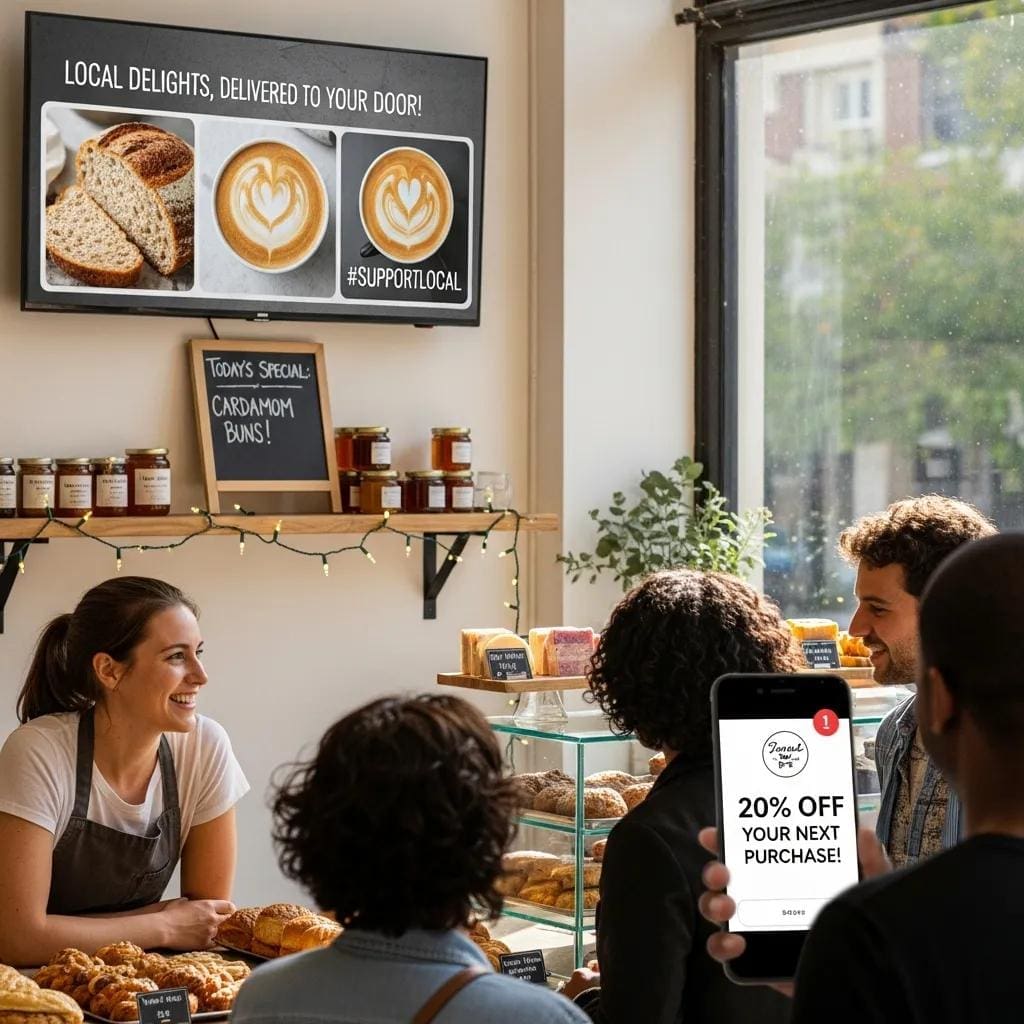
Geofence marketing offers several key benefits for small businesses in Michigan, including:
- Increased Leads and Conversions: By targeting consumers in real-time, businesses can significantly boost their chances of converting leads into customers.
- Improved Customer Retention: Personalized offers and promotions can enhance customer loyalty, encouraging repeat visits.
- Enhanced User Engagement: Engaging customers with relevant ads at the right moment increases interaction and brand awareness.
These benefits make geofence marketing a powerful tool for local businesses looking to maximize their marketing efforts and drive sales.
| Benefit | Description | Impact Level |
|---|---|---|
| Increased Leads | Targeted ads lead to higher conversion rates | High |
| Improved Retention | Personalized offers foster customer loyalty | Medium |
| Enhanced Engagement | Real-time notifications boost brand interaction | High |
This table illustrates how geofence marketing can significantly impact small businesses by enhancing their marketing effectiveness.
How Does Geofence Advertising Increase Local Customer Engagement?
Geofence advertising increases local customer engagement by delivering timely and relevant messages directly to consumers’ mobile devices. This strategy allows businesses to connect with potential customers when they are most likely to make a purchase. For example, a local coffee shop can send a discount offer to customers who enter a geofenced area around their store, encouraging them to stop in for a drink.
Additionally, geofence advertising can track customer behavior, providing insights into how consumers interact with ads and promotions. This data can help businesses refine their marketing strategies and improve future campaigns.
What ROI Can Michigan Businesses Expect from Geofence Campaigns?
The return on investment (ROI) for geofence advertising campaigns can vary based on several factors, including the industry, target audience, and campaign execution. However, many businesses report significant improvements in ROI due to the targeted nature of geofence marketing.
On average, businesses can expect an ROI of 200-300% from well-executed geofence campaigns. Factors that influence ROI include:
- Ad Relevance: The more relevant the ad, the higher the engagement and conversion rates.
- Targeting Precision: Accurate targeting leads to better results and lower costs per acquisition.
- Campaign Duration: Longer campaigns can yield more data and insights, improving overall effectiveness.
Which Geofence Marketing Platforms Are Best Suited for Michigan Businesses?
Several geofence marketing platforms cater specifically to the needs of Michigan businesses. Some of the top platforms include:
- GroundTruth: Offers robust location-based marketing solutions with detailed analytics.
- Blis: Provides advanced targeting capabilities and audience insights.
- Foursquare: Known for its location intelligence and consumer behavior analytics.
These platforms enable businesses to implement effective geofence advertising strategies tailored to their specific needs.
What Features Should Michigan Businesses Look for in Geofence Advertising Software?
When selecting geofence advertising software, Michigan businesses should consider the following key features:
- Device ID Targeting: The ability to target specific devices for personalized advertising.
- Data Analytics Capabilities: Comprehensive analytics to track campaign performance and customer engagement.
- Integration with Other Marketing Channels: Seamless integration with existing marketing tools for a cohesive strategy.
These features ensure that businesses can effectively leverage geofence advertising to maximize their marketing efforts.
How to Compare Costs and Effectiveness of Local Geofencing Advertising Platforms?
Comparing costs and effectiveness of local geofencing advertising platforms involves evaluating several key factors:
- Pricing Models: Understand the pricing structure, including any setup fees, monthly subscriptions, or pay-per-click options.
- Performance Metrics: Analyze the platform’s ability to deliver measurable results, such as click-through rates and conversion rates.
- Customer Support: Assess the level of customer support provided, including training and resources for effective campaign management.
By considering these factors, businesses can make informed decisions about which geofencing platform best suits their needs.
How Can Michigan Businesses Start with Geofence Advertising?
To start with geofence advertising, Michigan businesses should follow these steps:
- Understand Geofencing Technology: Familiarize yourself with how geofencing works and its potential benefits.
- Define Target Areas: Identify the geographic locations where you want to reach customers.
- Create Tailored Ads: Develop engaging advertisements that resonate with your target audience.
By taking these initial steps, businesses can effectively implement geofence advertising strategies to enhance their marketing efforts.
What Is the Process to Request a Free Digital Marketing Audit or Consultation?
To request a free digital marketing audit or consultation, Michigan businesses can follow these steps:
- Contact the Lead Generation and Information Hub: Reach out via phone at (517) 401-6004 to express interest in the audit.
- Provide Business Information: Share relevant details about your business and marketing goals.
- Schedule a Consultation: Arrange a time for a consultation to discuss your needs and how geofence advertising can benefit your business.
This process allows businesses to gain valuable insights into their marketing strategies and explore the potential of geofence advertising.
What Are Best Practices for Managing and Monitoring Geofence Ad Campaigns?
Managing and monitoring geofence ad campaigns effectively requires adherence to several best practices:
- Define Clear Objectives: Establish specific goals for your campaigns to measure success accurately.
- Analyze Performance Data: Regularly review campaign metrics to identify areas for improvement.
- Implement Real-Time Adjustments: Be prepared to make changes to your campaigns based on performance insights.
By following these best practices, businesses can optimize their geofence advertising efforts and achieve better results.