
Transforming Customer Support with AI Automation Solutions
By Ken Whitinger, Mid Michigan Interactive
In the rapidly evolving landscape of customer service, businesses are increasingly turning to artificial intelligence (AI) solutions to enhance their support systems. AI technologies, such as automated customer support software and help desk integrations, streamline operations and improve customer interactions. This article will explore the functionalities, benefits, and overall impact of AI on customer service efficiency. Readers will gain insights into how AI can transform customer support, addressing common pain points like response times and operational costs. We will also discuss the key features of effective AI help desk solutions and provide practical steps for integrating AI chatbots into existing customer service platforms.
Functionalities
AI solutions in customer support offer a range of functionalities that significantly enhance service delivery. These include:
- Automated Responses: AI can provide instant replies to common customer inquiries, reducing wait times and improving satisfaction.
- 24/7 Availability: Unlike traditional support systems, AI operates around the clock, ensuring customers receive assistance whenever needed.
- Lead Qualification: AI tools can assess customer inquiries to identify potential leads, streamlining the sales process.
- Integration with CRM Systems: AI can seamlessly connect with existing customer relationship management systems, providing a unified view of customer interactions.
- Feedback Gathering: Automated systems can collect customer feedback efficiently, helping businesses improve their services.
These functionalities not only enhance the customer experience but also free up human agents to focus on more complex issues.
The seamless integration of AI chatbots with CRM systems is crucial for centralized data management and enhanced customer service analytics.
AI Chatbot Integration with CRM for Enhanced Analytics
seamlessly with CRM systems, allowing centralized data management and better customer service analytics and reporting (Udeh, Amajuoyi, Adeusi, & Scott, 2024a).
AI Chatbot integration in SME marketing platforms: Improving customer interaction and service efficiency, C Ejimuda, 2024
Benefits
The integration of AI in customer support brings several key advantages:
- Cost Efficiency: By automating routine tasks, businesses can reduce operational costs associated with customer service.
- Improved Customer Engagement: AI solutions can personalize interactions, leading to higher customer satisfaction and loyalty.
- Operational Efficiency: AI streamlines processes, allowing for quicker resolution of customer issues and better resource allocation.
- Scalability: As businesses grow, AI systems can easily scale to handle increased customer inquiries without a proportional increase in costs.
Mid Michigan Interactive, a Michigan-based digital marketing agency, specializes in providing AI-driven solutions that enhance customer support, ensuring businesses can leverage these benefits effectively.
Overall Impact on Customer Service Efficiency
AI solutions significantly improve overall customer service efficiency by reducing response times and streamlining operations. With AI handling routine inquiries, human agents can focus on more complex issues, leading to faster resolutions. Additionally, AI enhances data management by analyzing customer interactions and providing insights that inform business strategies. This increased efficiency not only improves customer satisfaction but also boosts employee morale, as agents can engage in more meaningful work.
Further emphasizing the transformative power of AI, research highlights its role in enhancing efficiency and automation within IT support systems.
AI & ML for IT Support: Enhancing Efficiency & Automation
The rapid evolution of Artificial Intelligence (AI) and Machine Learning (ML) has brought significant advancements in IT support systems, transforming the efficiency, automation, and responsiveness of technical service management (TSM). Traditional IT support methods, which rely heavily on manual troubleshooting, rule-based ticketing systems, and reactive maintenance approaches, often suffer from delayed issue resolution, increased operational costs, and inefficiencies in service management. This systematic review, analyzing 563 peer-reviewed studies published before 2023, investigates the application of AI-driven solutions in automated troubleshooting, predictive maintenance, intelligent ticketing systems, and AI-powered virtual assistants.
A systematic review of AI and machine learning-driven it support systems: enhancing efficiency and automation in technical service management, S Ahmed, 2023
What Are the Key Benefits of Automated Customer Support Software?

Automated customer support software offers specific benefits that enhance service delivery:
- Efficiency Improvements: Automation reduces the time taken to respond to customer inquiries, leading to quicker resolutions.
- Cost Savings: By minimizing the need for extensive human resources, businesses can save on labor costs.
- Customer Satisfaction Enhancements: Faster response times and personalized interactions lead to higher customer satisfaction rates.
- Scalability: Automated systems can easily adapt to increased demand without significant additional costs.
These benefits make automated customer support software an essential tool for modern businesses.
How Does AI Improve Customer Satisfaction and Response Time?
AI enhances customer satisfaction and response times through several mechanisms:
- Instant Responses: AI can provide immediate answers to frequently asked questions, reducing customer wait times.
- 24/7 Availability: Customers can receive support at any time, which is particularly beneficial for businesses with a global customer base.
- Automation of Routine Tasks: By handling repetitive inquiries, AI allows human agents to focus on more complex issues that require personal attention.
- Continuous Learning: AI systems can learn from past interactions, improving their responses over time and adapting to customer preferences.
These features contribute to a more responsive and satisfying customer experience.
What Cost Savings and Efficiency Gains Can Businesses Expect?
Businesses can expect significant cost savings and efficiency gains from implementing AI solutions in customer support:
- 24/7 Availability: AI systems can operate continuously, reducing the need for extensive staffing.
- Cost Efficiency: Automating routine inquiries lowers operational costs, allowing businesses to allocate resources more effectively.
- Improved Response Times: AI can handle high volumes of inquiries simultaneously, ensuring that customers receive timely assistance.
- Handling High Volumes of Inquiries: AI can manage spikes in customer inquiries without compromising service quality.
These factors contribute to a more efficient and cost-effective customer support system.
Indeed, the strategic implementation of AI-powered chatbots is a key driver in achieving significant cost reductions and improving the accuracy of customer support interactions.
AI Chatbots: Reducing Costs & Improving Accuracy in Customer Support
Automated customer support systems including Artificial Intelligence (AI) powered chatting bots (Chatbots), have emerged as an alternative to human-based customer support to reduce the labor cost and improve efficiency. However, current Chatbots utilizing Natural Language Processing (NLP) and machine learning are largely focused on processing open-end questions which could lead to inaccurate answers that resulted in poor customer experience. In this project, we are proposing an innovative AI customer support system with a model-based program to provide customers with very high accuracy responses.
Artificial Intelligence Customer Support System, 2018
Which Features Define Effective AI Help Desk Solutions?
Effective AI help desk solutions are characterized by several key features:
- 24/7 Availability: Ensures customers can access support at any time.
- Instant Responses: Provides immediate answers to common questions, enhancing customer satisfaction.
- Automated Scheduling: Streamlines appointment setting and follow-ups.
- Lead Qualification and Nurturing: Identifies potential leads and nurtures them through automated interactions.
- Feedback Gathering: Collects customer feedback to inform service improvements.
These features are essential for creating a robust AI help desk solution that meets customer needs.
What Capabilities Should AI Support Ticketing Systems Include?
AI support ticketing systems should include the following essential capabilities:
- 24/7 Availability: Ensures continuous support for customers.
- Automated Responses: Provides quick answers to common inquiries.
- Natural Language Processing: Enhances understanding of customer queries for more accurate responses.
- Machine Learning: Allows the system to improve over time based on past interactions.
- Integration with Existing Systems: Ensures seamless operation within the current IT infrastructure.
These capabilities are crucial for effective ticket management and customer support.
How Do Virtual Customer Assistants Enhance Support Workflows?
Virtual customer assistants play a vital role in improving support workflows by:
- 24/7 Availability: Offering round-the-clock assistance to customers.
- Automated Responses: Quickly addressing common inquiries to reduce wait times.
- Lead Qualification: Identifying potential leads and directing them to the appropriate channels.
- Contextual Understanding: Providing personalized responses based on customer history and preferences.
These enhancements lead to a more efficient and effective customer support experience.
How Can Businesses Integrate AI Chatbots into Their Customer Service Platforms?
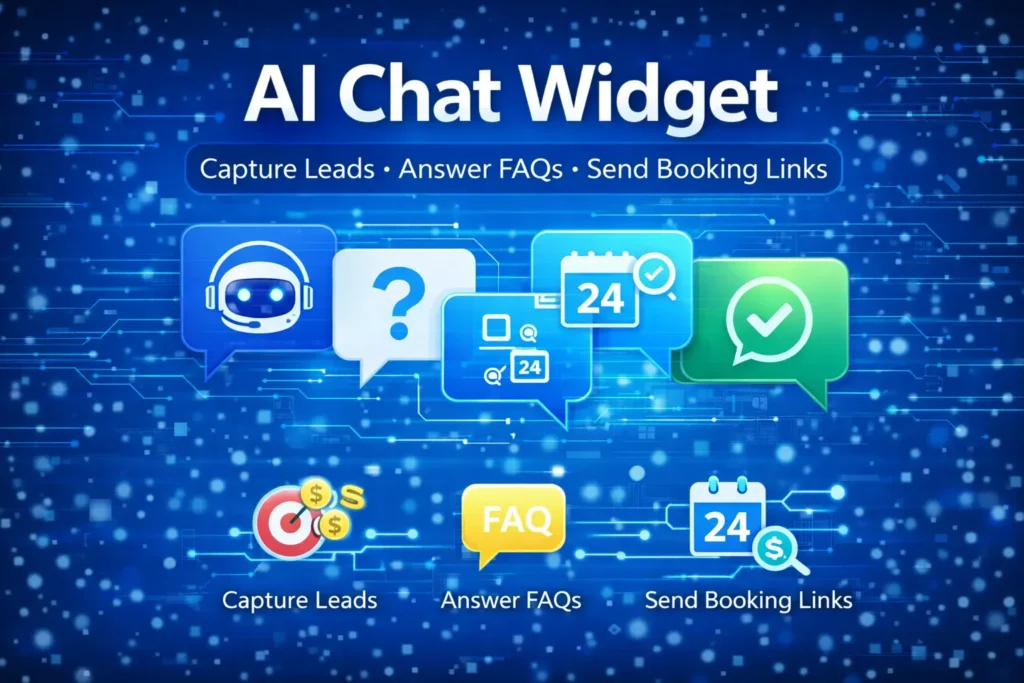
Integrating AI chatbots into customer service platforms involves several key steps:
- Identify Support Goals: Determine what customer needs the chatbot will address.
- Choose a Platform: Select a chatbot platform that aligns with business requirements.
- Design Conversation Flows: Create intuitive conversation paths for users.
- Train the Bot: Use historical data to train the chatbot for accurate responses.
- Test and Adjust: Continuously monitor performance and make necessary adjustments.
These steps ensure a smooth integration process that maximizes the benefits of AI chatbots.
What Are the Steps for Seamless AI Chatbot Integration?
To achieve seamless AI chatbot integration, businesses should follow these steps:
- Identify Support Goals: Clearly define the objectives for the chatbot.
- Choose a Platform: Select a suitable chatbot platform that meets business needs.
- Design Conversation Flows: Develop user-friendly conversation paths.
- Train the Bot: Utilize existing data to enhance the chatbot’s performance.
- Monitor Performance: Regularly assess the chatbot’s effectiveness and make adjustments as needed.
These steps facilitate a successful integration that enhances customer support capabilities.
How Does Website Design Facilitate AI Support Tool Implementation?
Website design plays a crucial role in the successful implementation of AI support tools by:
- User-Friendly Interface: Ensuring that customers can easily navigate and access support features.
- Responsive Design: Adapting to various devices to provide a consistent user experience.
- Customization Options: Allowing businesses to tailor support tools to their specific needs.
- Integration with Existing Systems: Ensuring that AI tools work seamlessly with current website functionalities.
Effective website design is essential for maximizing the benefits of AI support tools.
What Are Real-World Examples of AI Customer Support Success in Small Businesses?
Several small businesses have successfully implemented AI customer support solutions, demonstrating significant improvements in service delivery:
- Local Landscaping Company Success: By using AI chatbots, a local landscaping company reduced response times by approximately 50%, leading to increased customer satisfaction.
- Regional Café Chain Improvements: A café chain integrated AI to handle online orders, resulting in improved order accuracy and customer retention.
- Retail Case Study: A retail store utilized AI for inventory management, improving stock availability and reducing customer complaints.
- Professional Service Firm Enhancements: A professional service firm adopted AI to streamline client inquiries, resulting in faster response times and improved client relationships.
These examples illustrate the transformative impact of AI on customer support in small businesses.
Which Case Studies Demonstrate Improved Customer Experience?
Several case studies highlight the positive impact of AI on customer experience:
- Landscaping Company Metrics: The implementation of AI chatbots led to a significant reduction in response times, enhancing customer satisfaction.
- Café Chain Improvements: By automating online orders, the café chain achieved increased order accuracy, leading to higher customer retention rates.
- Retail Case Study Results: AI-driven inventory management improved stock availability, reducing customer complaints and enhancing the shopping experience.
These metrics demonstrate the effectiveness of AI in improving customer interactions.
How Do Michigan Businesses Benefit from AI Customer Support Solutions?
Michigan businesses are increasingly leveraging AI customer support solutions to enhance their service delivery. Local market trends indicate a growing demand for efficient customer service, and AI tools provide a competitive edge. Specific business examples include:
- Local Market Trends: Many Michigan businesses are adopting AI to meet rising customer expectations for quick and efficient service.
- Specific Business Examples: Companies in sectors like retail and hospitality are utilizing AI to streamline operations and improve customer interactions.
- Overall Impact on Customer Satisfaction: The integration of AI solutions has led to measurable improvements in customer satisfaction across various industries.
These benefits highlight the importance of AI in meeting the evolving needs of Michigan businesses and their customers.