

Optimizing Small Business Communication with CRM Automation
By Ken Whitinger, Mid Michigan Interactive
In the fast-paced world of small business, effective customer communication is crucial for success. Automation through Customer Relationship Management (CRM) software can significantly enhance this communication, allowing businesses to engage with customers more efficiently and effectively. This article explores how CRM software automation can streamline customer interactions, improve lead generation, and ultimately drive business growth. By implementing automated messaging systems, small businesses can address common pain points such as time management and customer engagement, leading to improved customer satisfaction and loyalty. We will delve into key features of CRM software automation, effective implementation strategies, and the potential outcomes that can be achieved through these technologies.
Research further supports the notion that automation technologies are pivotal for small enterprises to enhance marketing efficiency and achieve strategic goals.
CRM Automation for Small Business Marketing Efficiency
Automation technologies, such as customer relationship management (CRM) systems, email marketing automation, and social media management tools, allow small enterprises to reach their target audience more effectively while saving time and resources. Through an in-depth analysis of case studies and real-world applications, this research highlights how automation can assist in lead generation, customer retention, and data-driven decision-making.
Implementation of Automation Technology in Enhancing Digital Marketing Efficiency for Small Businesses, SSD Waramena, 2025
Key Features of CRM Software Automation:
CRM software automation offers several key features that can greatly benefit small businesses. These features streamline processes and enhance customer interactions, making it easier to manage relationships and improve communication.
- Lead Automation Systems: These systems help in tracking and managing leads efficiently, ensuring that no potential customer is overlooked.
- Email Automation: Automated email campaigns can be set up to nurture leads and keep customers informed, saving time and ensuring consistent communication.
- Integrated CRM Capabilities: Integration with other tools and platforms allows for a seamless flow of information, enhancing the overall customer experience.
- Intuitive Workflow Builders: These tools enable businesses to create custom workflows that automate repetitive tasks, freeing up time for more strategic activities.
- Prebuilt Templates: Many CRM systems come with prebuilt templates for emails and messages, making it easy to maintain a professional appearance in communications.
These features collectively enhance the efficiency of customer communication, allowing small businesses to focus on building relationships rather than managing processes.
Despite the clear advantages of CRM software, studies indicate that small businesses often face hurdles in adopting these powerful tools.
Boosting CRM Software Adoption in Small Businesses
Customer relationship management (CRM) is a business approach which can provide a competitive advantage to small and medium sized enterprises (SMEs). To deploy a successful CRM strategy, SMEs need to invest in a CRM software but unfortunately, the adoption rate of such software is very low compared to large companies. This study is trying to identify the main reasons for not using CRM software and how adoption rate can be improved.
CRM Software Adoption by Small Enterprises, D Ioniță, 2022
Effective Implementation Strategies:
Implementing CRM automation effectively requires careful planning and execution. Here are some strategies to consider:
- Identify Support Goals: Clearly define what you want to achieve with CRM automation, such as improving response times or increasing lead conversion rates.
- Choose Compatible Platforms: Select CRM software that integrates well with your existing tools and meets your specific business needs.
- Start Small: Begin with a few automated processes to test their effectiveness before scaling up to more complex automation.
- Monitor and Adjust: Regularly review the performance of your automated systems and make adjustments as necessary to optimize results.
By following these strategies, small businesses can ensure a smooth transition to CRM automation, maximizing its benefits.
Potential Outcomes:
The implementation of CRM automation can lead to several positive outcomes for small businesses. These include:
- Increased Efficiency: Automation reduces the time spent on repetitive tasks, allowing staff to focus on more critical activities.
- Cost Savings: By streamlining processes, businesses can reduce operational costs associated with manual customer management.
- Higher Revenue: Improved lead management and customer engagement can lead to increased sales and revenue growth.
- Enhanced Customer Engagement: Automated communication ensures timely and relevant interactions, fostering stronger relationships with customers.
These outcomes highlight the transformative potential of CRM automation in enhancing customer communication.
However, realizing these transformative outcomes often involves navigating specific scalability challenges and resource constraints unique to small-scale enterprises.
CRM Automation for Small Businesses: Growth & Scaling
The use of automation in customer relationship management (CRM) has become an essential tool for improving customer interaction, reducing corporate operations, and driving growth across a wide range of sectors. Small-scale companies (SSEs), on the other hand, frequently have specific scaling issues when it comes to adopting and implementing CRM automation as a result of their limited financial resources, technological infrastructure, and qualified workforce.
Scalability Challenges and Solutions in CRM Automation for Small-Scale Enterprises: A Comparative Study, 2025
What Are the Key Benefits of CRM Automation in Customer Communication?
CRM automation offers several key benefits that can significantly improve customer communication for small businesses.
- Improved Efficiency: By automating routine tasks, businesses can respond to customer inquiries faster and more accurately.
- Personalized Interactions: Automation allows for tailored messaging based on customer behavior and preferences, enhancing the customer experience.
- Enhanced Customer Satisfaction: Timely and relevant communication leads to higher customer satisfaction and loyalty.
These benefits demonstrate how CRM automation can revolutionize the way small businesses interact with their customers.
How Does CRM Automation Improve Lead Generation and Conversion Rates?

CRM automation plays a crucial role in enhancing lead generation and conversion rates through various mechanisms:
- Automated Lead Scoring and Management: This feature helps prioritize leads based on their engagement level, ensuring that sales teams focus on the most promising prospects.
- Personalized Engagement: Automated messaging can be tailored to individual leads, increasing the likelihood of conversion.
- Drip Campaigns: These campaigns nurture leads over time, providing them with relevant information and offers that encourage them to convert.
- Real-Time Analytics and Insights: Automation provides valuable data on lead behavior, allowing businesses to adjust their strategies accordingly.
- Reduced Manual Effort: By automating lead management, businesses can save time and reduce the risk of human error.
These strategies collectively enhance the effectiveness of lead generation efforts, driving higher conversion rates.
In What Ways Does Automated Messaging Enhance Customer Engagement?
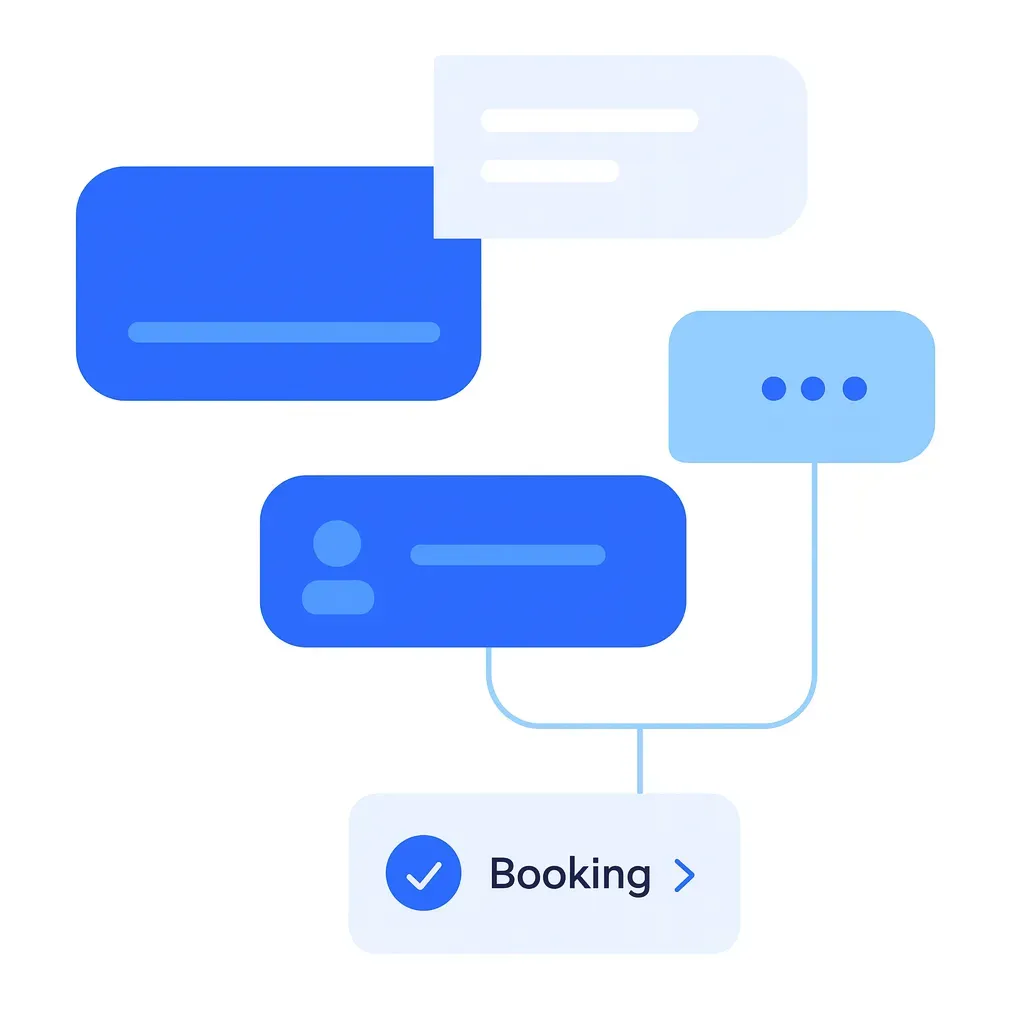
Automated messaging is a powerful tool for enhancing customer engagement in several ways:
- Personalized Engagement: Automated messages can be customized to reflect the individual preferences and behaviors of customers, making interactions more relevant.
- Timely Interactions: Automation ensures that customers receive messages at the right time, whether it’s a follow-up after a purchase or a reminder for an upcoming event.
- Behavioral Triggers: Automated messaging can be set up to respond to specific customer actions, such as cart abandonment, prompting timely follow-ups.
- Increased Open and Click-Through Rates: Personalized and timely messages tend to have higher engagement rates, leading to better overall communication outcomes.
- Data-Driven Insights: Automation provides analytics that can help businesses understand customer preferences and improve future messaging strategies.
These factors contribute to a more engaged customer base, ultimately leading to increased loyalty and sales.
Which Automated Customer Messaging Strategies Drive Effective Communication?
To drive effective communication, small businesses can implement several automated messaging strategies:
- Welcome Emails: Sending a warm welcome message to new subscribers sets a positive tone for future interactions.
- Abandoned Cart Reminders: Automated reminders can encourage customers to complete their purchases, reducing cart abandonment rates.
- Post-Service Surveys: Following up with customers after a service can provide valuable feedback and show that their opinions matter.
- Birthday and Special Occasion Emails: Personalized messages on special occasions can enhance customer relationships and encourage repeat business.
These strategies help maintain consistent and meaningful communication with customers.
What Types of Automated Messages Are Most Effective for Small Businesses?
Small businesses can benefit from various types of automated messages, including:
- Personalized Messages: Tailoring messages to individual customers based on their preferences and behaviors enhances engagement.
- Timely Follow-Ups: Automated follow-ups after purchases or inquiries ensure that customers feel valued and supported.
- Behavioral Triggers: Messages triggered by specific customer actions can prompt timely responses and increase engagement.
These types of messages are effective in maintaining customer relationships and driving sales.
How Can SMS and Email Automation Be Integrated for Optimal Results?
Integrating SMS and email automation can provide optimal results for customer communication. Here are some benefits of this integration:
- Benefits of Integration: Combining SMS and email allows businesses to reach customers through their preferred communication channels, increasing engagement.
- Best Practices: Establish clear guidelines for when to use SMS versus email to ensure that customers receive the right message at the right time.
- Tools for Integration: Utilize CRM platforms that support both SMS and email automation to streamline communication efforts.
This integration enhances the overall effectiveness of customer communication strategies.
How Can Marketing Automation Platforms Integrate with Website Design to Boost Communication?
Marketing automation platforms can significantly enhance website communication through various means:
- Seamless User Experience: Integrating marketing automation with website design ensures that visitors receive a cohesive experience across all touchpoints.
- Enhanced Data Collection: Automated tools can gather valuable data from website interactions, informing future marketing strategies.
- Improved Customer Insights: Understanding visitor behavior through automation can help businesses tailor their messaging and offerings more effectively.
These integrations create a more engaging and responsive online presence for small businesses.
What Are the Benefits of Integrating CRM Automation with WordPress Website Maintenance?
Integrating CRM automation with WordPress website maintenance offers several benefits:
- Streamlined Processes: Automation can simplify website updates and maintenance tasks, ensuring that the site remains current and functional.
- Improved User Experience: A well-maintained website enhances the overall customer experience, leading to higher satisfaction rates.
- Enhanced Security: Regular updates and maintenance through automation can help protect against security vulnerabilities.
These benefits highlight the importance of integrating CRM automation with website management.
How Does ADA Accessibility Impact Automated Customer Messaging?
ADA accessibility plays a crucial role in automated customer messaging. Here are some key considerations:
- Importance of Accessibility: Ensuring that automated messages are accessible to all customers, including those with disabilities, is essential for compliance and inclusivity.
- Compliance Requirements: Businesses must adhere to ADA guidelines when implementing automated messaging systems to avoid legal issues.
- Best Practices: Incorporating accessibility features, such as alt text for images and clear language, can enhance the effectiveness of automated messages.
These considerations are vital for creating an inclusive customer communication strategy.
What Are Best Practices for Implementing and Maintaining Lead Generation Automation?
To effectively implement and maintain lead generation automation, small businesses should follow these best practices:
- Define Clear Goals: Establish specific objectives for what you want to achieve with lead generation automation.
- Select the Right Tools: Choose automation tools that align with your business needs and integrate well with existing systems.
- Design Effective Workflows: Create workflows that guide leads through the sales funnel, ensuring a smooth transition from prospect to customer.
These practices help ensure that lead generation automation is effective and sustainable.
How Should Small Businesses Monitor and Measure Automation Performance?
Monitoring and measuring the performance of automation systems is crucial for ongoing success. Here are some key strategies:
- Key Performance Indicators: Identify relevant KPIs to track the effectiveness of your automation efforts, such as conversion rates and customer engagement metrics.
- Tools for Monitoring: Utilize analytics tools to gather data on automation performance and make informed decisions.
- Regular Audits: Conduct regular audits of your automation systems to identify areas for improvement and ensure optimal performance.
These strategies help small businesses maintain effective automation systems.
What Tools and Structured Data Markup Enhance Automation Effectiveness?
Several tools and structured data markup techniques can enhance the effectiveness of automation systems:
- Recommended Tools: Utilize CRM platforms that offer robust automation features and integrations with other tools.
- Structured Data Types: Implement structured data markup to improve search visibility and enhance customer interactions.
- Implementation Tips: Follow best practices for implementing structured data to ensure that it is effective and compliant with search engine guidelines.
These tools and techniques can significantly improve the performance of automation systems in small businesses.